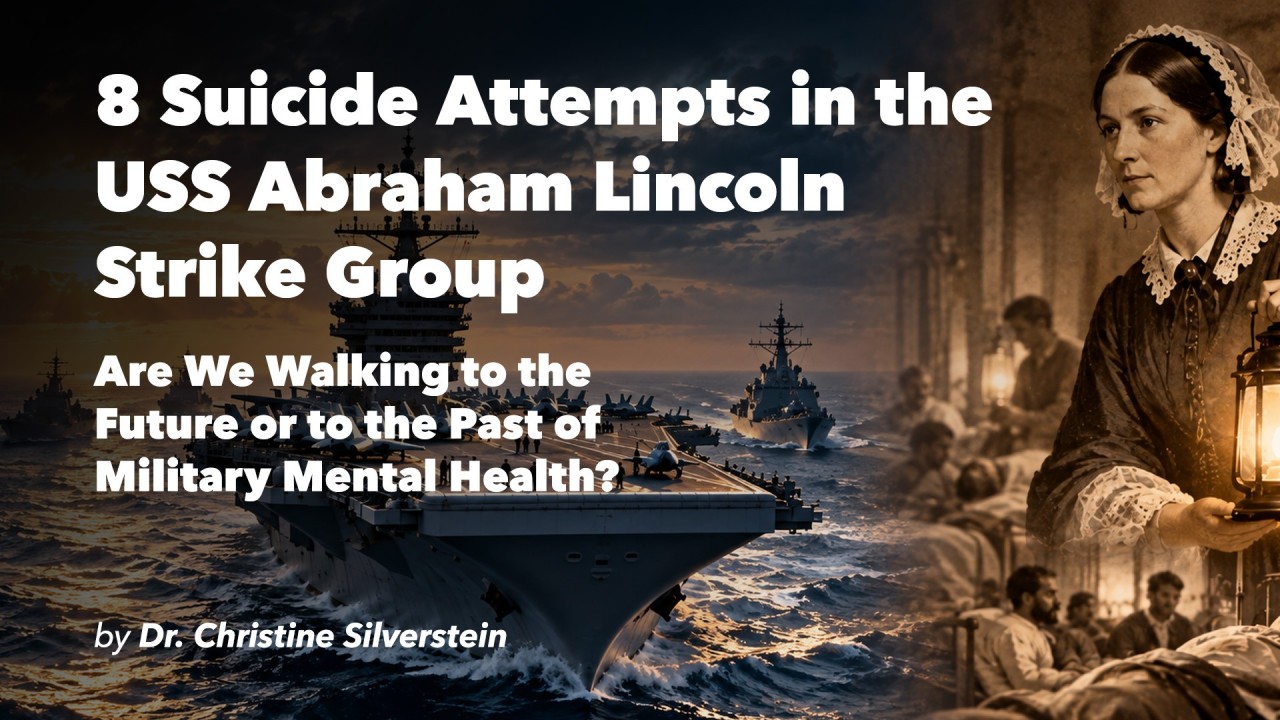
8 Suicide Attempts in the USS Abraham Lincoln Strike Group: Are We Walking to the Future or to the Past of Military Mental Health?

Eight US Navy personnel assigned to the USS Abraham Lincoln carrier strike group attempted suicide during its extraordinarily long deployment, Acting Secretary of the Navy Hung Cao disclosed in September 2026. No service members died by suicide. The disclosure followed months of concern from sailors’ families and lawmakers about the psychological toll of extended combat operations and conditions at sea. Stars and Strips
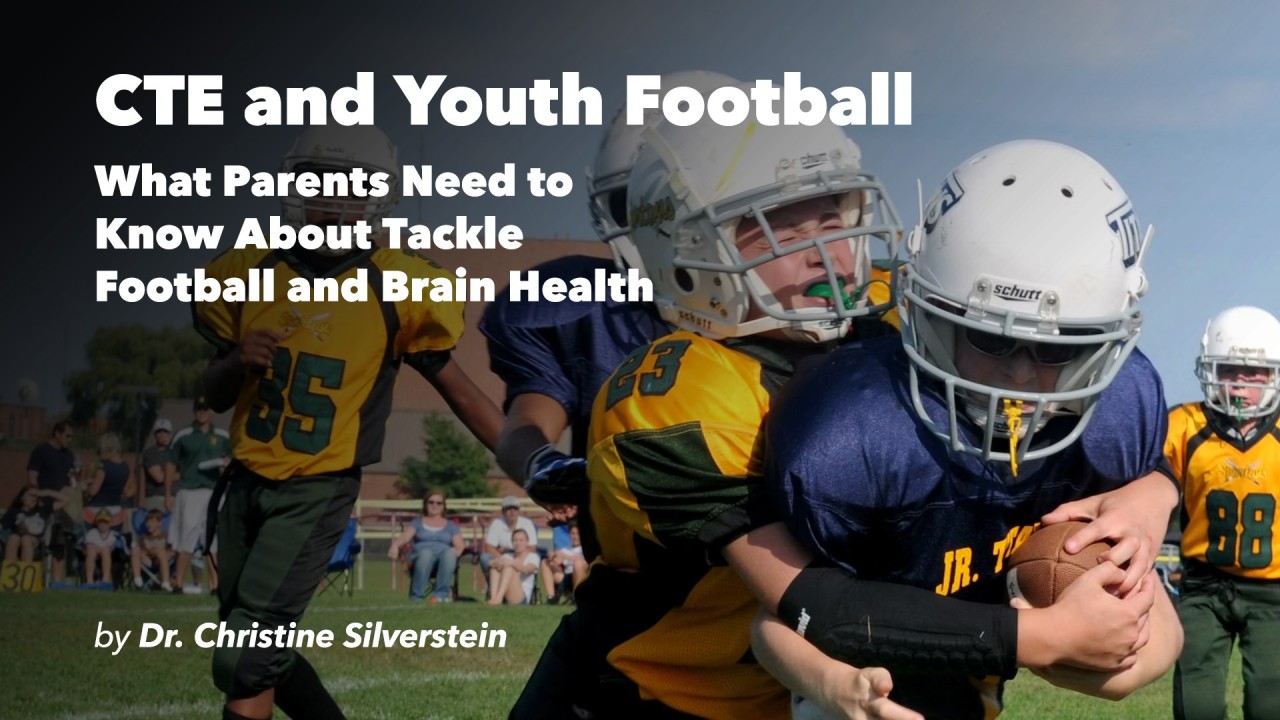
CTE and Youth Football: What Parents Need to Know About Tackle Football and Brain Health

A major new study by D. Daneshvar and C. Nowinski et al., published on August 25, 2026, on the prevalence of CTE at death in NFL players added urgency to a question football has faced for two decades: How much risk to the brain are we, as parents, coaches, healthcare professionals, and neuroscientists, willing to accept for the sport that is widely loved?

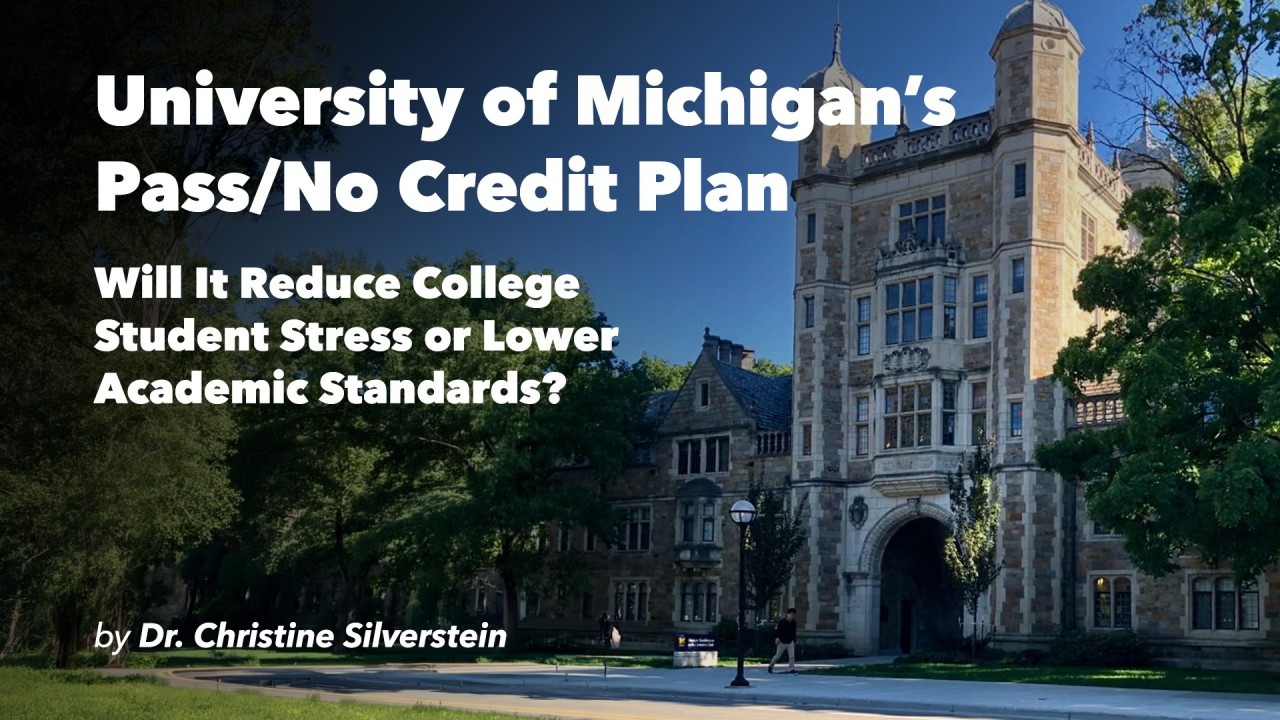
University of Michigan’s Pass/No Credit Plan: Will It Reduce College Student Stress or Lower Academic Standards?

The University of Michigan is preparing to introduce a pass/no credit grading pilot for first-year students in its College of Literature, Science, and the Arts beginning in fall 2027. The controversial plan is intended, in part, to reduce college student stress and support mental health—but critics question whether it could lower academic standards and leave students less prepared to cope with adversity.

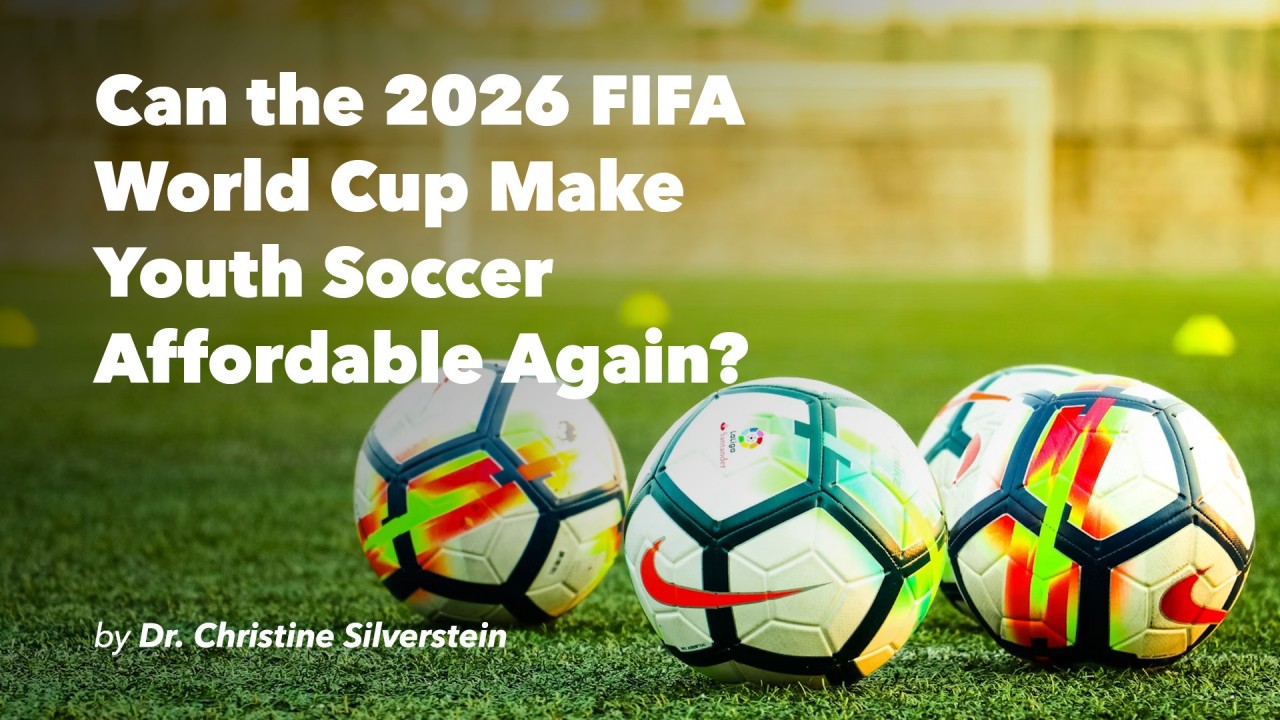
Can the 2026 FIFA World Cup Make Youth Soccer Affordable Again?

Are you excited about FIFA coming to your town in the US and all the hype and promise it has for business, American society, solidarity between nations, especially during wartime, and for the sheer love of the game of soccer? As a peak performance coach, who works with Mindful Toughness skill sets to assist young people to succeed, I am!

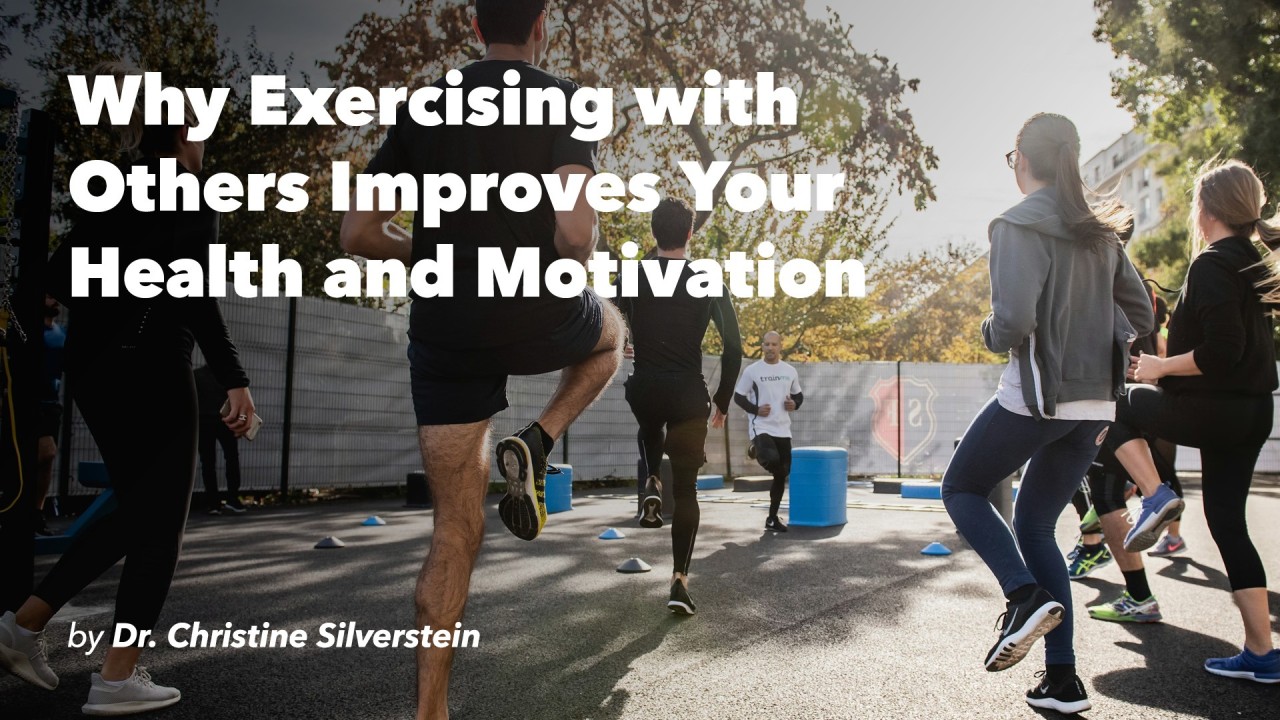
Why Exercising with Others Improves Your Health and Motivation

Did you know that exercising with other people may help you live longer—not just exercise more? Yes, simply being a part of a group of exercisers can have positive health benefits beyond motivation to exercise. This was shown in a large-scale review reported in Public Library of Science (PLOS) Medicine that examined 148 studies of 309,000 individuals with an average age of 64 and found that having strong social connections increased the odds of survival by 50 percent compared with those who have weaker societal bonds. What is important to note is that the result remained constant over age, gender, health status, length of follow-up period, and cause of death.

How to Build Exercise Habits that Transform Your Identity

What if the key to lasting health and fitness isn’t more motivation—but a shift in identity? Did you know that researchers who focus on lifestyle changes are showing us that our habits, both healthy and unhealthy ones, determine who we think we are. Yes, people who link their habits to their identities the most had higher levels of self-esteem and were more driven towards reaching their ideal self, according to a Frontiers in Psychology study.