Posts by Dr. Christine Silverstein
The #1 Health Threat Isn’t What You Think: Why Low Fitness is the Real Risk
As I reminisce to days long past, i remember visiting my elderly German/Hungarian grandparents during a holiday when I was a child, and my younger brother and I could not touch the highly polished furniture or sit on the couch with the adults in the living room. This is because our “sticky fingers” might make a mark. While being secluded from the adults on the front enclosed sunporch on the second floor of their rental, we sat under a hand-carved German-made clock that announced the hour and half-hour while the dancing children dressed in “Swiss Alps” attire emerged with the sound of the cuckoo, cuckoo!
Think Aging Means Decline? Neuroscience Says You Can Stay Sharp for Life
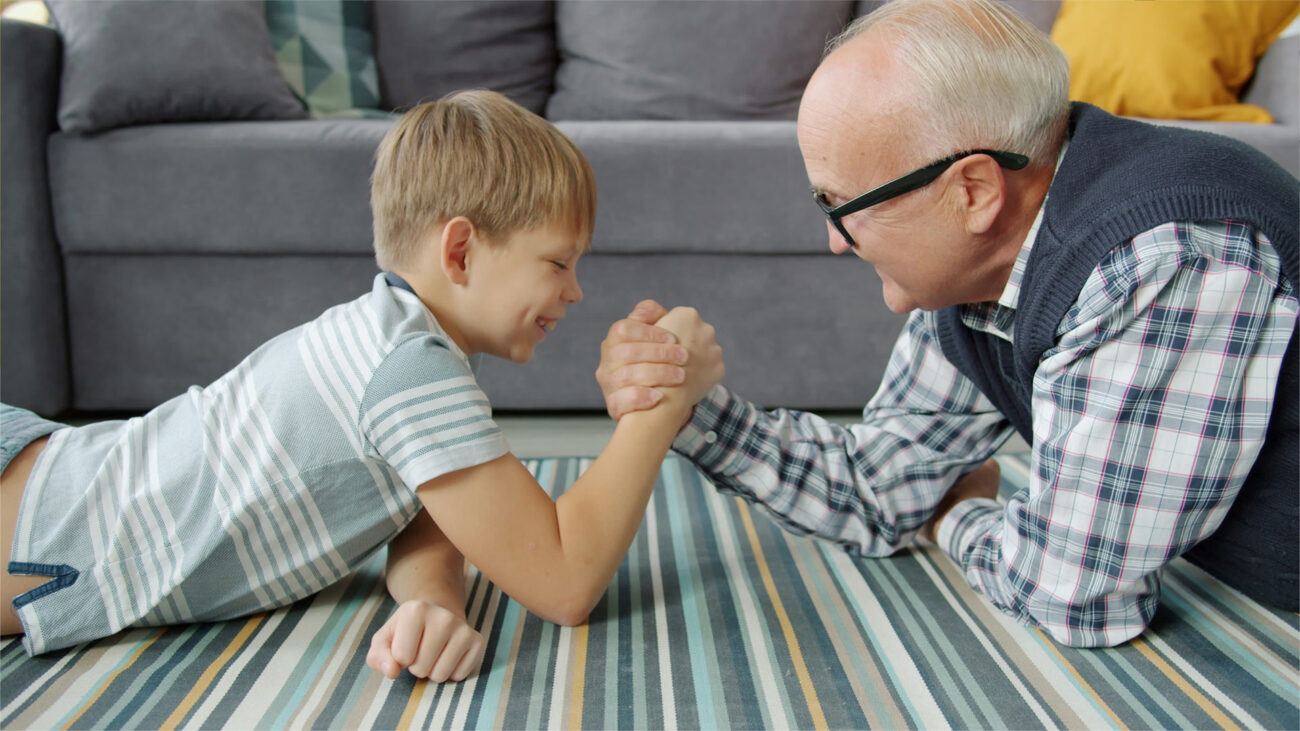
When we were children, anyone older seemed “old.” By the time we looked at our grandparents, aging often appeared synonymous with decline. frailty, and loss. But neuroscience is now telling a very different story—one that could completely change how you experience the rest of your life.
Islamophobia in NYC: How Misinformation Fuels Hate—and How We Rise Above It
Growing up in New York City as a Catholic girl in Far Rockaway, Queens, I never heard the word “Islamophobia,” that is, until the World Trade Center attack on September 11, 2001, when it became common vernacular. Twenty-five years later, how is islamophobia defined today? It is the fear, hatred, or prejudice directed at Muslims or those perceived to be Muslim, often manifesting as racism, discrimination, and violence, which stereotypes all Muslims as a uniform, threatening group. It is often fueled by media coverage and politics, such as it is currently during the Iranian-Israeli-US War in the Middle East.
Mikaela Shiffrin’s 2026 Olympic Redemption: A Lesson in Mental Toughness
When Doctors Say There’s Nothing You Can Do: The Power of the Mind in Healing
Recently, my doctor told me something that stopped me cold. He said I would never bring my blood sugar down without insulin—and that it would only get worse with age. In general, I would say I am a goal-oriented and self-reliant person and have been since I was five years old when I declared to my parents: “Leave me alone, I’ll do it myself!” But for a day or two after this demoralization in the doctor’s office, I cried a lot and lacked belief in myself to improve my well-being, especially after being told that this refusal to follow orders would increase my risk of vison loss and amputation down the road, or worse.
Olympic Athletes Use Mental Rehearsal—Here’s How You Can Too
On Sunday, February 22, the 2026 Olympics ended with Team USA setting a team record for the most gold medals in a single Winter Games. Their success was capped off with both the women’s and men’s hockey teams winning gold in thrilling overtime victories.
Federica Brignone’s Olympic Comeback: Mind, Body, and Spirit on the Slopes
Who Will Tell the Truth Now? The Crisis Facing American Journalism
As a reader of the Washington Post, I was saddened by the news of February 5, 2026 that one-third of its staff was eliminated, including its sports section, several foreign bureaus, and its books coverage in a widespread purge that struck harsh blow to journalism and to its legendary brand. Martin Baron, the Post’s first editor under its current owner, Jeff Bezos, called this action “a case study in near-instant, self-inflicted brand destruction.”
The Parent Playbook: 10 Mental Skills That Help Teen Athletes Win and Grow
I just read Joe Tone’s January 22, 2026 column in The Washington Post on the right and wrong words for parents to say to their teens postgame. In anticipation, you, as a parent, may conjure up some words but not know exactly how to approach your child to say them. In many cases it is kind of hit or miss. When your teens do well in a game, you want to applaud them and speak about their great plays. However, when there are some bloopers made during a game, you may want to avoid comments so as not to call attention to them.